
Arizona Data Centers: Who Wins and Who Pays?
What data center growth means for jobs, water, electricity and the decisions Phoenix homeowners make.
November 6, 2026 · 9 min read · Guide
key takeaways
- A big investment number doesn’t automatically raise nearby home values. Check the project’s status and the property’s location.
- Separate construction jobs from permanent jobs before reading a jobs number as housing demand.
- On water and power, ask where the supply comes from and who pays for the new infrastructure.
A major investment announcement makes a great headline. It doesn’t automatically make your house worth more.
And if a project needs more water, more electricity and new infrastructure, the people already living here deserve to know who picks up the tab.
When we talk about Arizona’s data center growth, the homeowner’s question goes beyond “How big is the project?” I want to know, “What does this change for the people who live here?”
Construction activity, lasting employment, utility demands and neighborhood effects belong in the same conversation, but they are not interchangeable. Before we celebrate the investment, I want to see what the community gets out of the deal.
How Many Data Centers Are in Arizona?
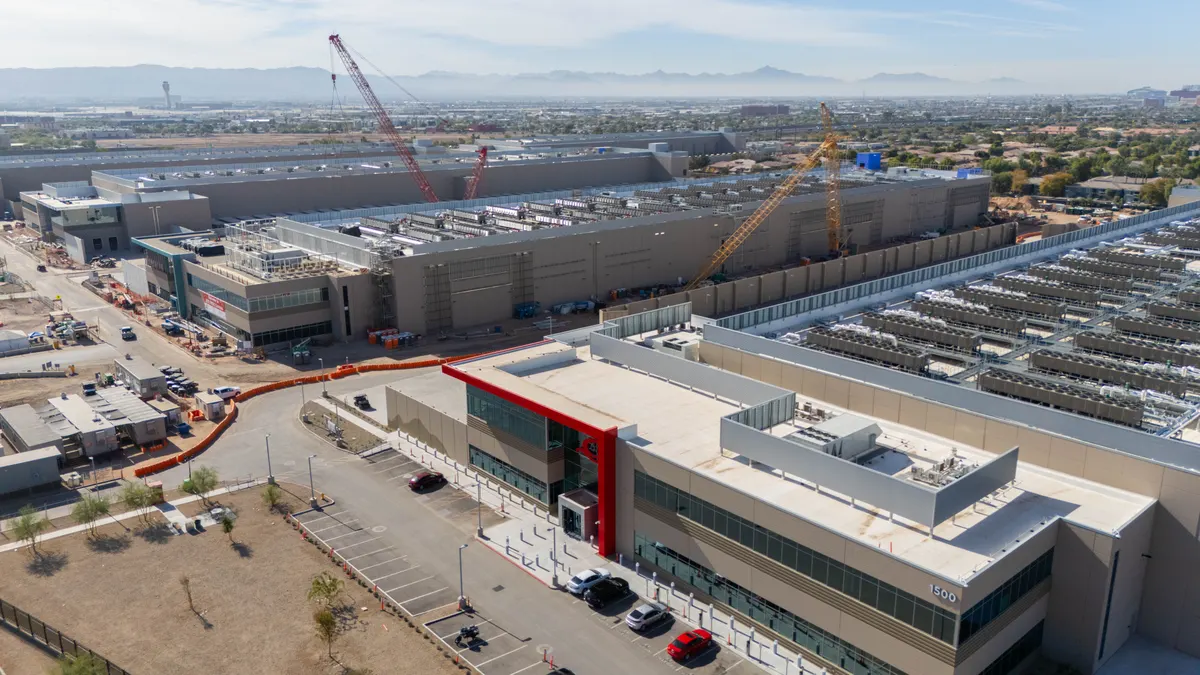
A Pew Research Center analysis published in April 2026 counted 98 operating data centers and 86 planned in Arizona, using Data Center Map listings accessed February 19, 2026. Its planned category includes projects under construction, planned facilities and land-banked sites.
Those figures reflect the listings available at that time. They give us a starting point, but they are not a current statewide census.
A proposed campus should not be counted as an operating business, and an announced expansion should not become a guaranteed opening date. Counts also depend on whether the source tracks individual buildings or entire campuses.
For a nearby homeowner, a project’s actual status matters more than the statewide tally. Has construction started? Is electricity service arranged? Is there a confirmed operating schedule? Those are useful questions before drawing conclusions about the neighborhood.
How Many Jobs Do Data Centers Create?
Ask which jobs the announcement is counting.
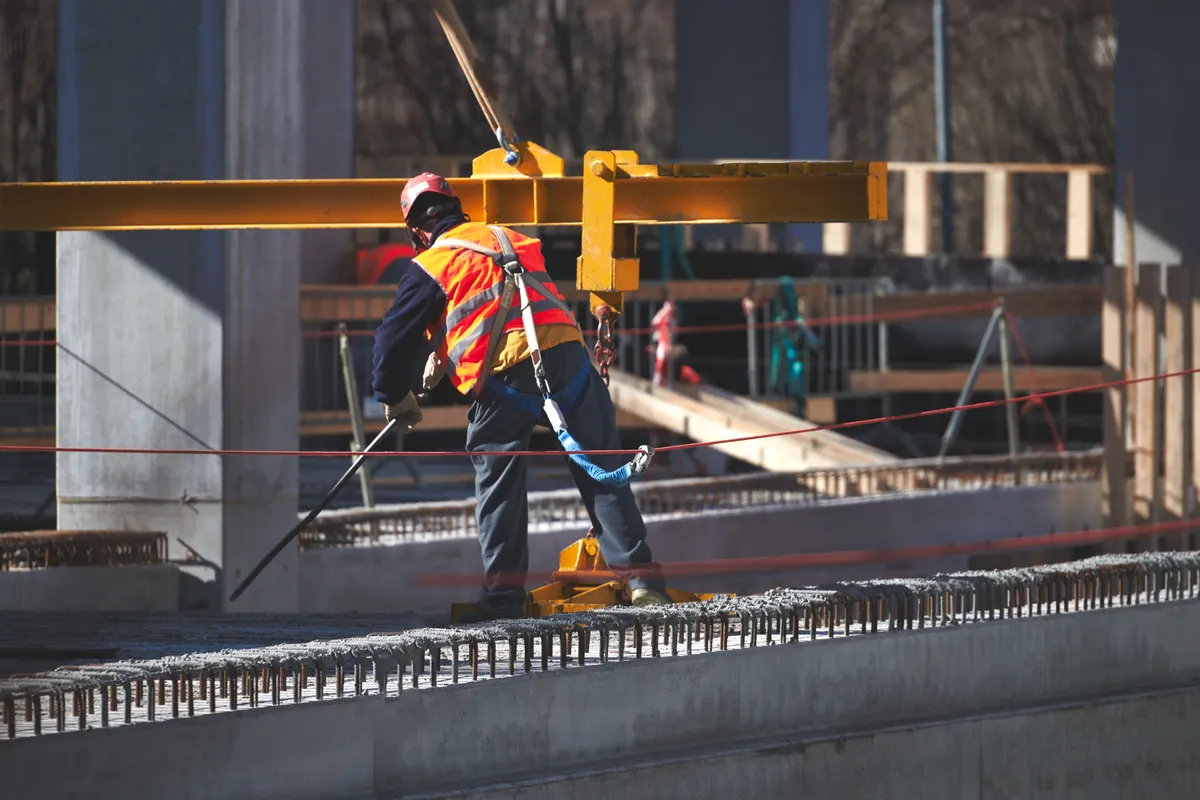
A project’s construction workforce is different from its permanent operating staff. An economic impact estimate may also include suppliers and other businesses, not just people working inside the facility.
Here is a local example. In its January 2025 Mesa opening announcement, Meta reported roughly 2,000 skilled trade workers on site at peak construction and more than 200 operational jobs supported by the facility. It put the investment at more than $1 billion once fully built out.
Those are company-reported figures, and both kinds of work matter. But having 2,000 people at peak construction does not mean 2,000 permanent employees shopping for homes in Mesa.
Before using a jobs number to predict housing demand, ask:
- How many positions are permanent?
- How many workers already live locally?
- How many employees are expected to relocate?
- Does the estimate include construction and supplier jobs?
From a real estate perspective, the important distinction is between work supported by a project and additional households looking for somewhere to live. Treating them as the same number can make a housing demand story sound much bigger than the evidence supports.
Do Data Centers Affect Home Values?
A nearby data center is not a reliable shortcut for pricing a home. Recent research gives homeowners reasons to pay attention, but it does not give every Arizona property the same price adjustment.
A September 2026 working paper from UC Berkeley’s Energy Institute at Haas estimated that large data center announcements reduced home values within three miles by about 3% on average over the following five years, with an estimated 7.2% decline within one mile. These are research estimates from a U.S. sample, not an Arizona-specific forecast or a settled result for every neighborhood.
An August 2026 Realtor.com analysis found no meaningful difference in price growth between 43 ZIP codes receiving large data centers and similar comparison areas in the first two years after opening. That shorter, ZIP-level analysis cannot rule out effects on the homes closest to a facility or effects that emerge later.
The studies measure different events, areas and time periods. Neither gives me a defensible percentage to add to or subtract from your home’s value.
For your own decision, ask two questions: Does the project create lasting local employment and income that could contribute to housing demand? And what does the location mean for the specific property?
Review the site plan, setbacks, equipment locations, proposed screening and applicable noise requirements. Phoenix approved data center zoning updates in July 2025 that established a special permit process addressing concerns including noise, fire safety and power grid reliability. Those changes apply within the City of Phoenix. Check the rules and approvals for the city or county where the property actually sits.
Then examine comparable home sales. A project can be economically significant without benefiting every nearby property equally. If it is going near your backyard, the details deserve more attention than the ribbon-cutting.
How Much Water Do Arizona Data Centers Use?
Water use varies with the cooling technology, facility size and electricity supply. There is no single figure that describes every Arizona data center.
Water used at the facility is only part of the discussion. Electricity generation can use water, too. In ASU’s August 2026 water policy coverage, Kyl Center for Water Policy director Sarah Porter emphasized that connection while explaining that Phoenix, Tucson and Mesa rely primarily on renewable water supplies rather than unreplenished groundwater.
At an earlier ASU discussion, Porter warned that future facilities outside cities with assured water supply designations could pump groundwater without replenishing it, putting less secure rural supplies at risk.
“Arizona” is too broad an answer to a local water question.
For an Arizona project, ask:
- Where will its water come from?
- How much will it use, and how much will be consumed rather than returned?
- Is the figure for current operations or eventual expansion?
- Does the estimate include electricity-related water use?
Do not assume a national average describes a particular Valley facility. Likewise, “water-efficient” should lead to a request for the actual design and projected consumption. It should not end the conversation.
Compare the project’s expected demand with the water its supplier can provide. If someone wants the community’s support, asking for those numbers should be the easy part.
Will Data Centers Raise Arizona Electricity Bills?
More electricity demand does not, by itself, tell us what happens to a household’s bill. We need to know what infrastructure is required, who funds it and how the utility recovers those costs.
A 2024 Department of Energy release put data centers’ share of U.S. electricity consumption at about 4.4% in 2023. That is national historical context, not an Arizona residential-rate forecast.
Locally, APS says its June 2025 rate request proposed an increase of about 45% for extra-large energy users, intended to keep their growing costs from shifting to families and small businesses. That is a proposal for that customer group, not a 45% increase in residential bills.
In an October 9, 2026 statement, the Arizona Corporation Commission said the APS case was still pending and that cost allocation was being examined. The Commission also disputed a news analysis alleging that residential customers were subsidizing data center growth. Its stated policy is that growth pays for growth.
That is the standard homeowners should expect to see enforced. A utility’s assurance is worth reading; the rates and agreements that assign the costs deserve just as much attention.
Arizona generates electricity from nuclear power, natural gas, solar and other resources, as documented in the U.S. Energy Information Administration’s Arizona electricity data. A company’s renewable energy announcement does not establish its complete electricity supply or its effect on residential rates.
For a particular development, review the serving utility’s arrangements. The homeowner’s question should be direct: Does this customer pay for the additional system costs it creates?
Are Data Centers Improving Arizona’s Power Grid?
New demand and a better grid are not automatically the same thing.
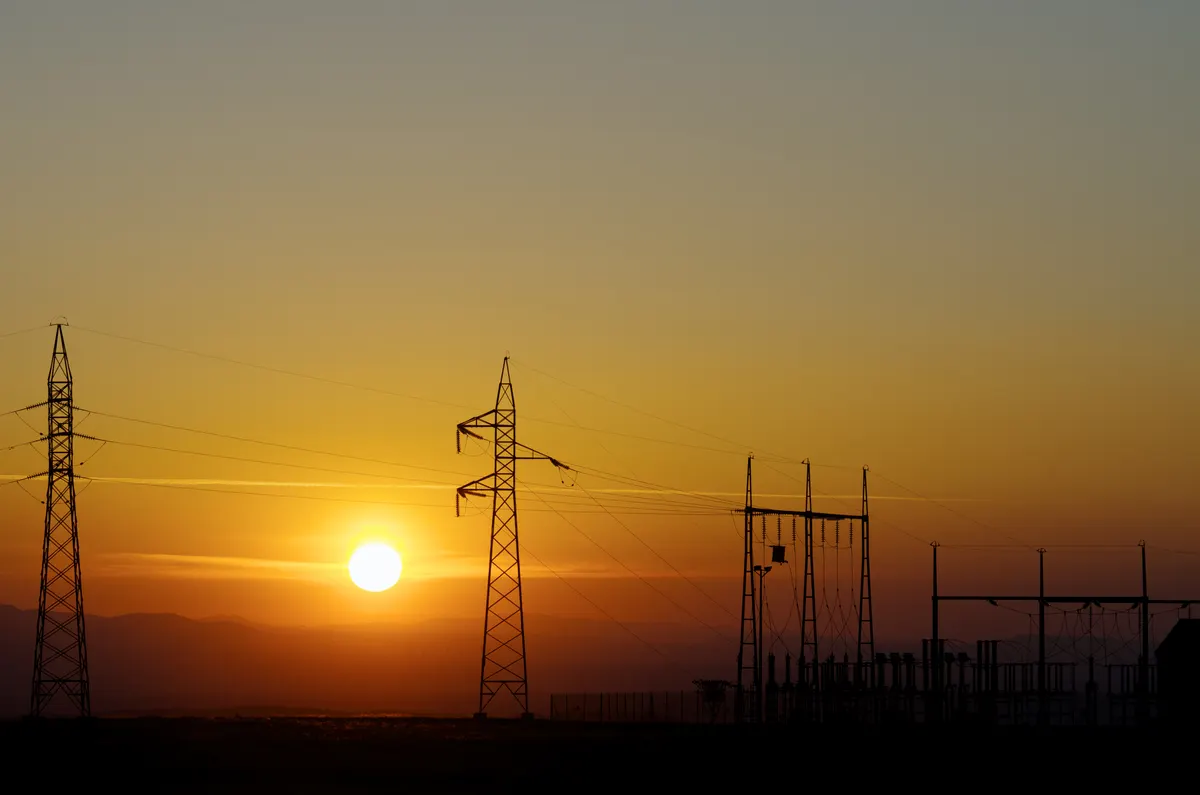
In its Mesa opening announcement, Meta said three projects supported through its SRP partnership were adding 450 megawatts of renewable energy in Arizona. It also described its electricity use as matched with clean and renewable energy.
Those statements are more useful than a vague promise of sustainability. They still do not establish that nearby households will get cheaper electricity or better service. Renewable capacity is not the same as power available at every hour a facility needs it.
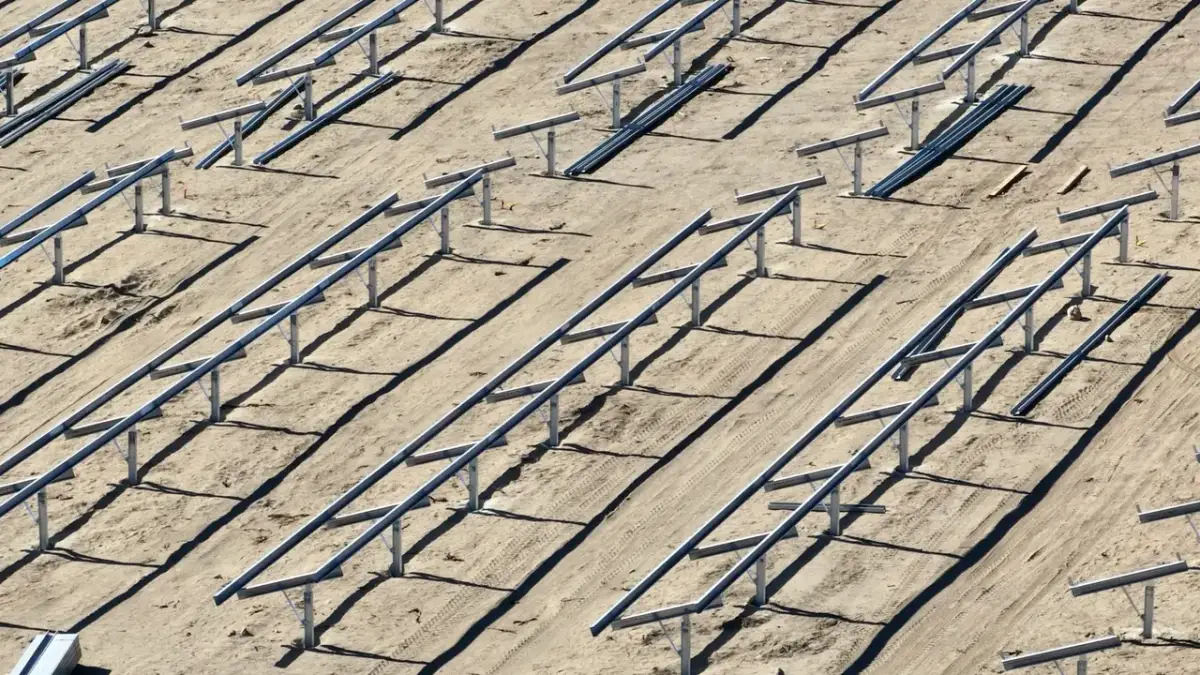
To give a project credit for improving the system, look for completed, documented benefits: additional electricity supply, an energized substation, usable storage or an agreement that helps reduce demand when the system is under stress.
Then ask who can use that improvement and who paid for it.
Ask whether the infrastructure is planned, under construction or operating. Until those details are established, “the project will improve the grid” remains a claim to investigate.
How Will Data Centers Affect Phoenix Housing?
Over the next five years, evaluate completed projects rather than relying on announced investment.
For a housing decision, look at lasting employment, household income, financing costs, available homes and the total cost of ownership. A data center announcement alone cannot tell you whether a home is a good buy.
For sellers, that means avoiding an unsupported “nearby investment premium.”
For buyers, it means checking the actual project and neighborhood rather than buying or walking away because of a headline. Look beyond the house itself: what is approved for the surrounding land, where will the equipment sit, and what might living beside it feel like?
What matters for your home is how the local market responds and what changes in the neighborhood. Your monthly cost of living belongs in that conversation, too.
I’m happy to see investment in Arizona. I also want the people who already live here to get straight answers about the tradeoffs. Before making a move, let’s compare the announcement with what is happening on the ground and what is approved to happen next.
Where I Stand
I support bringing jobs, investment and opportunity to Arizona. That includes opportunities for the blue-collar workers and local companies that help build and maintain these facilities. Electricians, construction crews, equipment suppliers and other local businesses deserve a place in this conversation. The Greater Phoenix Economic Council identifies work for local contractors and skilled trades as an important benefit of data center construction. Calling those jobs temporary does not make the paychecks meaningless to the families earning them.
The benefits can reach other local businesses, too. Out-of-state workers, vendors and company representatives can come here for project visits, temporary assignments or permanent jobs. Their spending can reach hotels, restaurants, shops and rental housing. Some may eventually buy homes here. That spending is worth recognizing. Just keep project visits and temporary assignments separate from permanent moves when considering housing demand.
Data centers can also generate substantial tax revenue. GPEC includes tax revenue among the industry’s economic benefits. I want that benefit counted alongside the jobs and local business opportunities. I also want to know how much the community keeps after incentives and public costs are considered.
Here’s where I draw the line: homeowners should not be expected to help finance a project through higher utility bills while being told to appreciate the investment. That standard should apply to any business whose project requires new power plants, transmission lines, substations or water infrastructure. I want enforceable agreements spelling out who pays, including what happens if the project gets canceled, along with protections for nearby homes. Data centers should face the same scrutiny and accountability as other businesses creating comparable demands.
A billion-dollar announcement should come with billion-dollar accountability. Give Arizona workers and businesses a chance to benefit, give neighbors straight answers, and put the commitments in writing. That is the kind of growth I can get behind.
At the end of the day, more people putting down roots here and more investment in Arizona can help strengthen our real estate market over time. Whether you’re a homeowner, a homebuyer or an investor, that growth can create opportunities for you. Finding the right opportunity starts with your plans, your budget and the neighborhood. That’s a conversation I’m always happy to have.
faqquestions people ask
- How many data centers are in Arizona?
- A Pew Research Center analysis published in April 2026 counted 98 operating and 86 planned data centers in Arizona, using Data Center Map listings from February 2026. It is a dated snapshot, not a current statewide census.
- Do data centers lower nearby home values?
- The research is mixed. A September 2026 working paper from UC Berkeley’s Energy Institute at Haas estimated declines near large data center announcements, while an August 2026 Realtor.com analysis found no meaningful ZIP-level difference in the first two years after opening. Neither can price a specific home.
- Will data centers raise my APS bill?
- APS proposed an increase of about 45% for extra-large energy users, intended to keep their costs from shifting to families and small businesses. As of the Arizona Corporation Commission’s October 9, 2026 statement, the case was still pending.
read next

what’s being built near you?
Tell Doug Benchik the area you’re watching. We’ll look at what’s planned nearby and what it means for your plans.